Best Kaspa Miners in 2026: Efficiency and Break-Even
The current Kaspa ASIC miners compared by hashrate, power, efficiency and break-even electricity price, from the Antminer KS7 to small home units.

Bruma
Author
In short
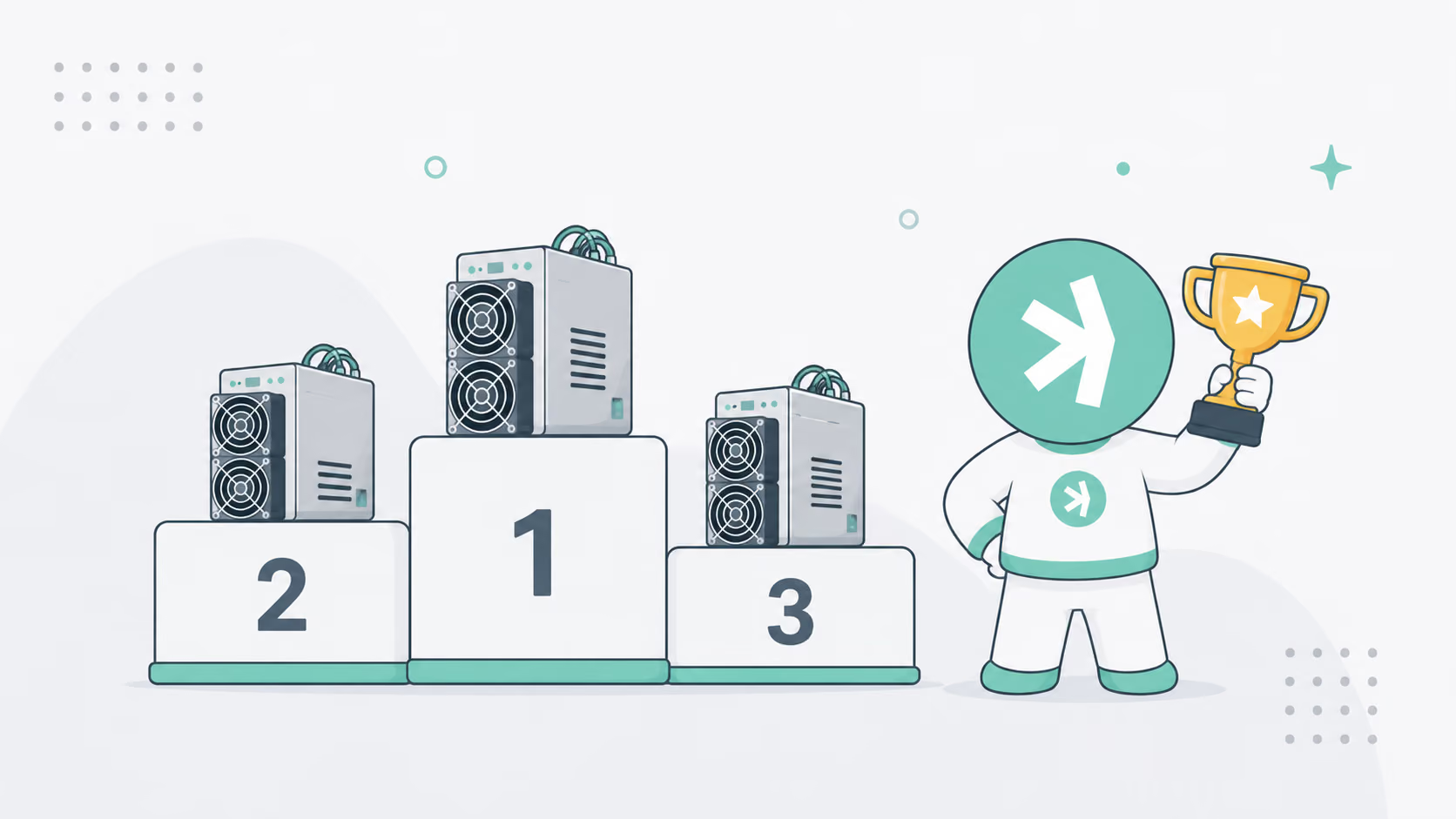
The best Kaspa miner is the most efficient one, measured in joules per TH. In 2026 that is the Bitmain Antminer KS7 (40 TH/s at about 77 J/TH) for anyone with a suitable space and cheap power, and the IceRiver KS7 Lite for mining at home. Older models break even only with very cheap or free electricity.
Why the best miner is the one that wastes the least power
When people compare Kaspa miners, they usually look at hashrate first. That is the wrong place to start. Every Kaspa miner earns the same amount per TH of hashrate; what really separates a good machine from a bad investment is how much electricity it burns to produce that TH.
In this article we will compare the Kaspa ASIC miners available in 2026 by the number that decides profitability: efficiency, measured in joules per TH (J/TH, lower is better). We will turn it into a break-even electricity price you can compare with your own bill, look at which machines make sense at home, and be clear about which ones no longer do.
How to read the numbers
Three figures describe a miner:
- Hashrate, in TH/s: how much work it does. More hashrate means more KAS per day.
- Power, in watts: how much electricity it draws, all day, every day.
- Efficiency, in J/TH: power divided by hashrate. This is the number that decides whether the KAS you earn are worth more than the electricity you spend.
To make efficiency concrete, we will use the break-even electricity price: the price per kWh at which a miner's daily revenue exactly covers its electricity cost. Our figures use October 2026 network conditions: a network hashrate of about 340 PH/s, a block reward of about 2.06 KAS at 10 blocks per second, and a KAS price of about $0.04. Under those conditions, each TH/s earns roughly 5.2 KAS, or about $0.21, per day.
These conditions change constantly, and the block reward falls about 5.6% every month, so treat the table as a snapshot. For live numbers with your own electricity price, use our mining calculator.
Which miners still break even
| Miner | Hashrate | Power | Efficiency | Break-even price |
|---|---|---|---|---|
| Bitmain Antminer KS7 | 40 TH/s | 3,080 W | 77 J/TH | ~$0.11/kWh |
| IceRiver KS7 | 30 TH/s | 3,500 W | 117 J/TH | ~$0.075/kWh |
| IceRiver KS7 Lite | 4.2 TH/s | 500 W | 119 J/TH | ~$0.073/kWh |
| Bitmain Antminer KS5 Pro | 21 TH/s | 3,150 W | 150 J/TH | ~$0.058/kWh |
| Bitmain Antminer KS5 | 20 TH/s | 3,000 W | 150 J/TH | ~$0.058/kWh |
| IceRiver KS5M | 15 TH/s | 3,400 W | 227 J/TH | ~$0.038/kWh |
| IceRiver KS2 Lite | 2 TH/s | 500 W | 250 J/TH | ~$0.035/kWh |
| IceRiver KS0 Ultra | 0.4 TH/s | 100 W | 250 J/TH | ~$0.035/kWh |
| IceRiver KS5L | 12 TH/s | 3,400 W | 283 J/TH | ~$0.031/kWh |
| Goldshell E-KA1M | 5.5 TH/s | 1,800 W | 327 J/TH | ~$0.027/kWh |
| Goldshell KA Box | 1.18 TH/s | 400 W | 339 J/TH | ~$0.026/kWh |
| IceRiver KS3 | 8 TH/s | 3,200 W | 400 J/TH | ~$0.022/kWh |
The pattern is clear. Only the newest generation, released in 2025, breaks even at $0.07 to $0.11 per kWh, and even that is below what most households pay in the US and Europe. Everything older needs cheap or free power.
The current generation: KS7 and KS7 Lite
Bitmain Antminer KS7
The Antminer KS7 is the efficiency leader: 40 TH/s for 3,080 W, about 77 J/TH. In October 2026 it was the only common Kaspa miner that still made a small profit at $0.10 per kWh, which is exactly why it is the reference machine for professional miners.
It is not a home appliance, though. It needs a 220 V-class supply (Bitmain specifies 220 to 277 V), runs at around 75 dB and pushes out about as much heat as a space heater. It belongs in a garage, a basement with good ventilation or a hosting facility.
IceRiver KS7
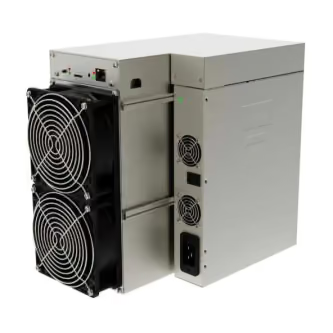
The IceRiver KS7 offers 30 TH/s at 3,500 W, about 117 J/TH. It is less efficient than Bitmain's KS7 but still among the best options, with a break-even price around $0.075 per kWh. Like the Antminer, it is loud and needs a dedicated high-power circuit, so the same placement advice applies.
IceRiver KS7 Lite
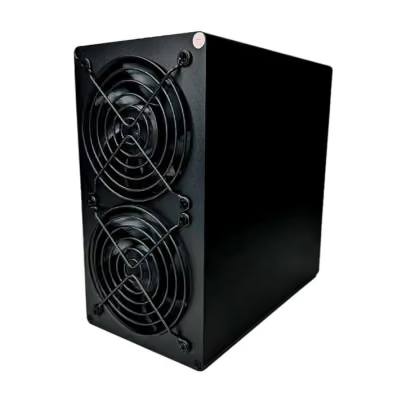
The KS7 Lite is the most interesting machine for home miners. It delivers 4.2 TH/s for 500 W, about 119 J/TH, which is practically the same efficiency as the full-size IceRiver KS7. The difference is that it has a single fan, runs on a normal outlet and is far quieter, at around 50 dB.
That makes it the miner we would look at first for a home setup, with one honest caveat: at $0.10 per kWh it still loses a little money at October 2026 conditions. It makes sense with cheaper electricity, or if you value the heat it produces in winter.
The previous generation: the KS5 family
The Bitmain Antminer KS5 (20 TH/s) and KS5 Pro (21 TH/s) were the top machines of 2024. At about 150 J/TH, they now need electricity below roughly $0.058 per kWh to break even. They can still be worth running if you already own one and pay little for power, but buying one new in 2026 is hard to justify unless the price is very low.
The IceRiver KS5M (15 TH/s at 3,400 W) and KS5L (12 TH/s at 3,400 W) are a step further behind, at 227 and 283 J/TH. Their power draw is as high as an IceRiver KS7's for a fraction of the hashrate, which pushes the break-even price below $0.04 per kWh.
Small and older machines
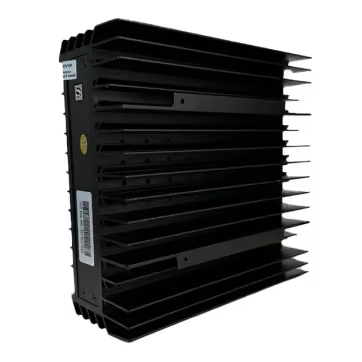
The IceRiver KS0 Ultra (0.4 TH/s at 100 W) and KS2 Lite (2 TH/s at 500 W) are small, quiet machines that many people buy to try mining without dedicating a room to it. They are genuinely fun, and with Kaspa's ten blocks per second even a KS0 Ultra finds about one block a day if you mine solo. But at 250 J/TH they rarely pay for themselves unless your electricity is very cheap.
The Goldshell KA Box (1.18 TH/s at 400 W), the Goldshell E-KA1M (5.5 TH/s at 1,800 W) and the IceRiver KS3 (8 TH/s at 3,200 W) belong to earlier generations. At 327 to 400 J/TH, they need electricity around $0.02 to $0.03 per kWh just to cover their costs. If you are offered one, compare its price with the newer models first.
What about GPUs?
Kaspa was mined with graphics cards in its early days, and mining software such as lolMiner and BzMiner still supports its algorithm. But since dedicated ASICs arrived in 2023, a GPU produces only a tiny fraction of their hashrate for similar power. A graphics card mining Kaspa today costs more in electricity than it earns, so GPUs are better used on other algorithms.
Before you buy any miner
A good machine can still be a bad purchase. A few checks save a lot of regret:
- Run your own numbers in the mining calculator with your real electricity price, including any peak-hour tariffs.
- Remember that the block reward falls about 5.6% every month. A miner that barely breaks even today will lose money in a few months unless the KAS price rises.
- Check the power requirements. Full-size machines need a 220 V-class supply and a circuit rated for about 3.5 kW.
- Plan for noise and heat. Full-size ASICs run at around 75 dB, louder than most people expect.
- Buy from the manufacturer or a well-known reseller. Pre-order and second-hand scams are common in mining hardware.
- Factor in the hardware's resale value. Miners lose value quickly when a new generation arrives.
So, which miner should you choose?
Back to where we started: the best Kaspa miner is the one that wastes the least power. In 2026 that is the Bitmain Antminer KS7 for anyone with a suitable space and cheap electricity, and the IceRiver KS7 Lite for anyone who wants to mine at home without turning a room into a server farm. Older machines are worth running only if you already own them or your power is nearly free.
Whatever you choose, profitability is a moving target. If you decide to go ahead, our step-by-step guide on how to mine Kaspa walks you through setting up the machine, joining a pool and checking that it really earns.
FAQs
Quick answers to the questions readers ask most about this topic.
The Bitmain Antminer KS7, released in May 2025, delivers 40 TH/s at 3,080 W, about 77 joules per TH. That makes it the most efficient widely available Kaspa ASIC, and the only common model that was still profitable at $0.10 per kWh in October 2026.
The IceRiver KS7 Lite is the most practical choice: 4.2 TH/s at 500 W, with one fan, a normal power plug and much lower noise than full-size machines. It is about as efficient as the larger IceRiver KS7, but it still needs cheap electricity to be profitable.
Not profitably. Kaspa's kHeavyHash algorithm has been dominated by ASIC miners since 2023, and a graphics card now earns less than the electricity it consumes.
Compare its daily revenue with its daily electricity cost. Revenue depends on the KAS price, the network hashrate and the block reward, which falls about 5.6% every month. The break-even electricity price in our table is a quick shortcut: if you pay more than that, the miner loses money at current conditions.
Usually not. They use several times more energy per TH than current models, so they only break even with very cheap electricity, often below $0.03 per kWh. Buy them only if they are almost free, or if you have surplus power.

Author
Bruma- Published
- Last updated